Manaslu restricted area: what it means for your trek
Written by our trekking team
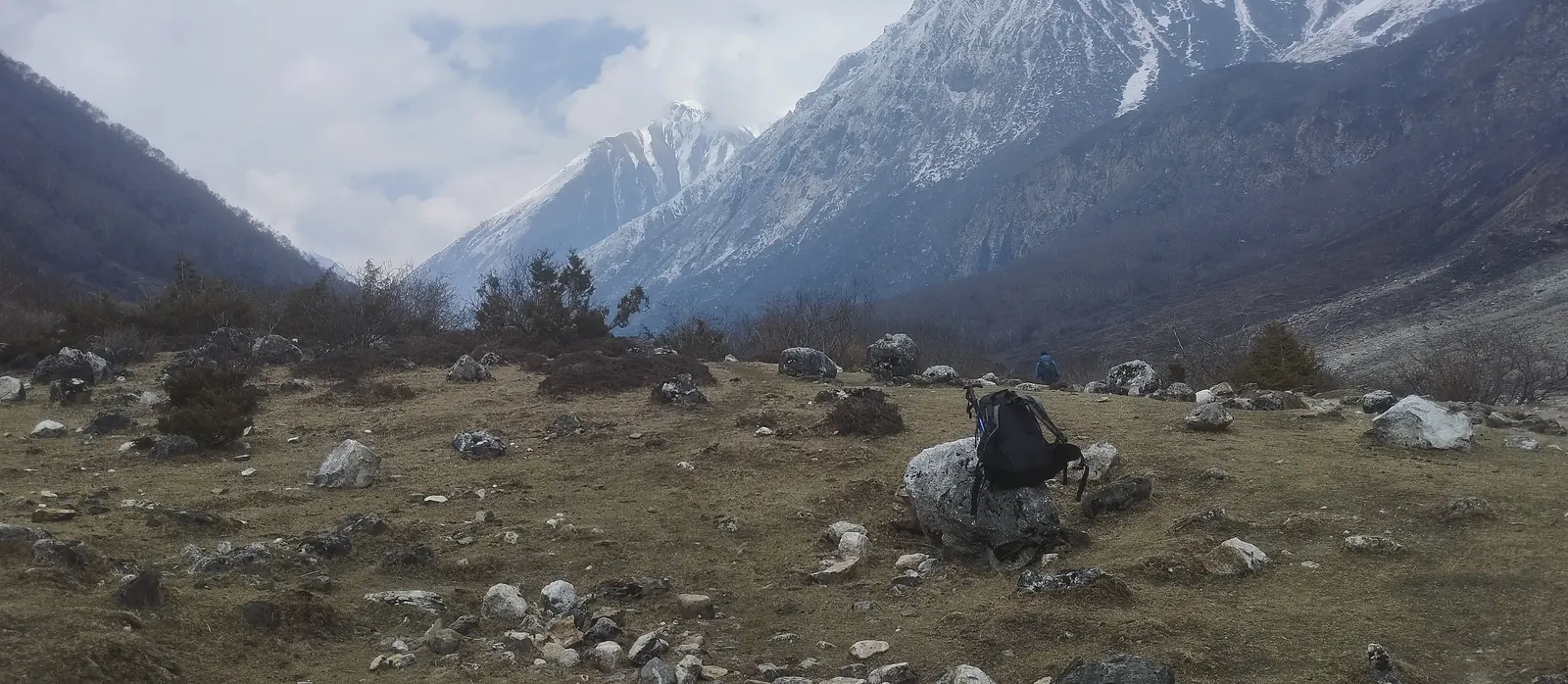
Photo: Remote Nepal Treks, 31 Mar 2023.
The short version
Manaslu is a government-designated restricted area. You need a Restricted Area Permit (RAP) on top of the MCAP and ACAP, only a licensed agency can get it for you, and a licensed guide walks with you the whole way. Solo trekkers are allowed on Manaslu. It's also the main reason the trail stays so quiet. We file every permit before you land, and they're included in the price.
What “restricted area” means on Manaslu
The Manaslu Circuit runs through a region the Nepal government has designated a restricted area. On the trail, that comes down to three rules:
- You need a Restricted Area Permit (RAP). It's specific to Manaslu, it's priced by season, and it sits on top of the regular Manaslu Conservation Area Permit (MCAP).
- Only a licensed agency can get it for you. You can't walk into an office in Kathmandu and apply for it yourself.
- A licensed guide walks with you the whole way. This isn't an upsell; it's a condition of the permit.
One rule is gentler on Manaslu than elsewhere: you can go solo. We can file the RAP for a group of one, as long as your guide is with you for the full route. On Kanchanjunga, Makalu and Tsum Valley, the minimum is two trekkers.
The three permits you'll carry
Manaslu is the only one of our routes that needs three permits. That's because the standard circuit finishes by walking out through Dharapani, which sits just inside the Annapurna Conservation Area.
| Permit | What it covers | Checked at |
|---|---|---|
| RAP (Manaslu) | Entry to the restricted area | Jagat, Day 3 |
| MCAP | The Manaslu Conservation Area | Jagat, and again at Namrung on Day 5 |
| ACAP | The Annapurna side, for the exit | Dharapani, on the Day 13 drive out |
At each checkpoint an official logs your paperwork before you go further. Your guide carries the file and handles each stop for you. For the permit rules on all our routes side by side, see restricted-area permits explained.
Why the restricted status keeps Manaslu quiet
The permit rules are the main reason the Manaslu Circuit still sees only a fraction of the foot traffic on Everest Base Camp or the Annapurna Circuit. Nobody walks in on a whim. Every trekker on the trail has booked through an agency, has a licensed guide beside them, and holds a permit issued for the season. There are no independent trekkers finding their own way up the valley.
You feel the difference above Namrung, where the trail passes through Tibetan villages with prayer wheels and mani walls. It's strongest at Samdo, the last real village before the pass, where a trade trail still runs toward the Tibet border.
What it means for you, practically
- Book ahead, inside the season. The RAP is issued for set seasonal windows, spring (March–May) and autumn (September–November), so this isn't a trek you decide on the week before. See the best time to trek Manaslu.
- Bring a passport and photos. You need a passport valid for at least six months and a few passport-sized photos. We handle every application and file all three permits before you land.
- Your guide is part of the plan. Besides the permit checks, your guide carries a first aid kit and a pulse oximeter and checks for altitude symptoms at every stop above 3,000m.
- The permits are in the price. The RAP, MCAP and ACAP fees are included in our per-person rates, which run from $1,650 to $2,100 depending on group size. Because the government sets the fees and can change them, we confirm your final figure in your quote.
What it doesn't mean
“Restricted” sounds more dramatic than it is. It doesn't mean closed, and it doesn't mean roughing it. There are teahouses the whole way from Machha Khola to Dharapani, including basic lodges at Samdo and Dharamsala just below the pass, so you don't need any camping gear. The Larkya La (5,106m) takes real effort, but it isn't technical: there's no rope or crampon work on the standard route. The restrictions are about who can walk the trail, not how hard it is to walk.
For how the 15 days fit together, from the permit check at Jagat to the drive out through Dharapani, read our Manaslu Circuit itinerary, day by day, or start with the Manaslu Circuit Trek guide.
Frequently asked
Is Manaslu a restricted area?
Yes. The Manaslu Circuit runs through a government-designated restricted area, so every trekker needs a Restricted Area Permit (RAP) on top of the Manaslu Conservation Area Permit (MCAP). The standard route also exits through Dharapani in the Annapurna Conservation Area, so you need an ACAP as well.
Can I trek Manaslu solo?
Yes. We can file a Restricted Area Permit for a group of one on Manaslu, as long as your licensed guide walks the whole route with you. Solo pricing is $2,100 per person.
Can I trek Manaslu without a guide?
No. The RAP is only issued through a licensed trekking agency, and a licensed guide has to be with you for the whole trip. That's the law, not an upsell.
What do I need to bring for the permits?
A passport valid for at least six months and a few passport-sized photos. We apply for and file all three permits before you land, and your guide handles every checkpoint on the trail.