
Manaslu trek permits: RAP, MCAP and ACAP in plain English
Written by our trekking team
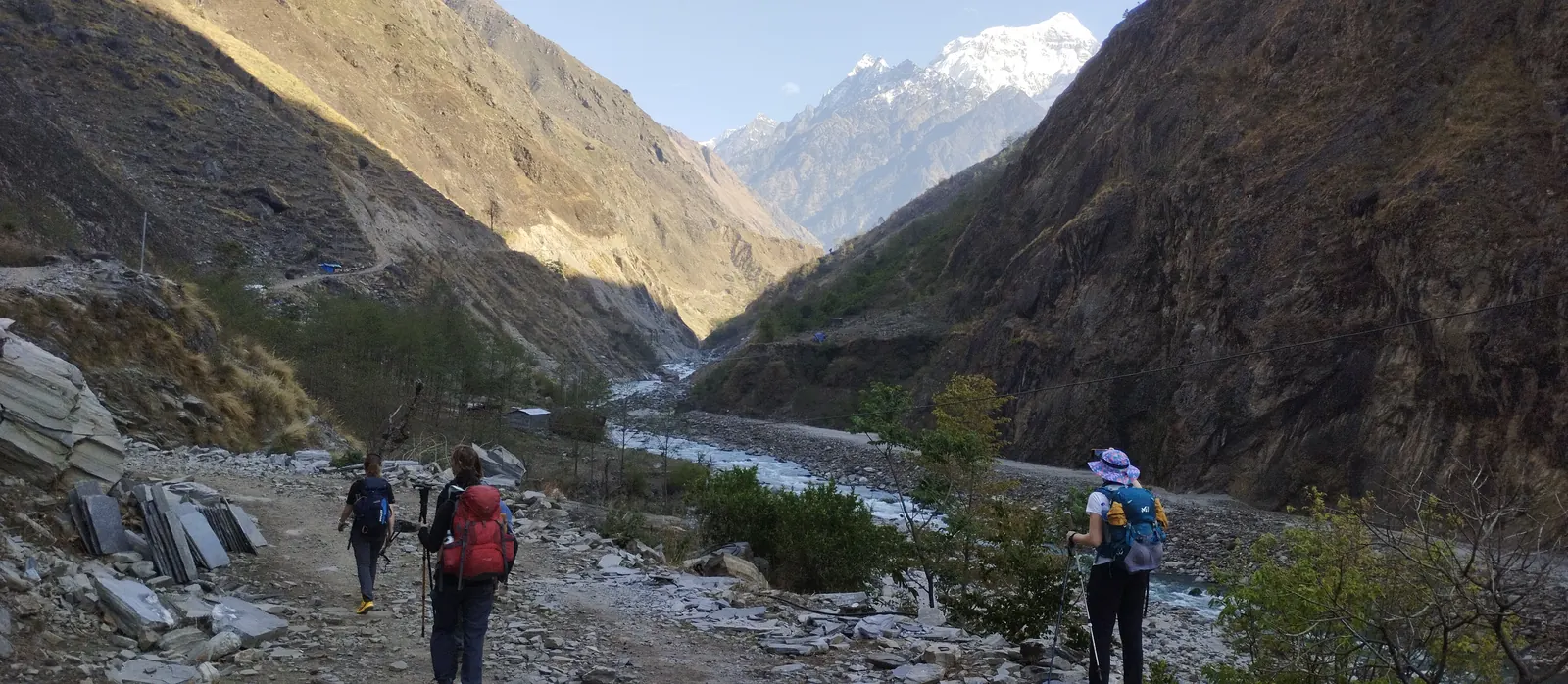
Photo: Remote Nepal Treks, 26 Mar 2023.
The short version
The Manaslu Circuit needs three permits: a Restricted Area Permit (RAP), the Manaslu Conservation Area Permit (MCAP) and the Annapurna Conservation Area Permit (ACAP). Only a licensed agency can apply for the RAP, and a licensed guide has to walk with you the whole way. Solo trekkers are allowed. We file all three before you land, the fees are in our per-person price, and your guide handles the checkpoints at Jagat, Namrung and Dharapani. All you bring is a passport valid for six months and a few passport photos.
The three permits
Each of the three covers a different stretch of ground, so they're easiest to keep straight by where they get checked.
| Permit | What it covers | Checked at |
|---|---|---|
| RAP (Manaslu) | Entry to the restricted area | Jagat, Day 3 |
| MCAP | The Manaslu Conservation Area | Jagat, then Namrung on Day 5 |
| ACAP | The Annapurna side, for the exit | Dharapani, Day 13 |
The RAP is the one that makes Manaslu a restricted-area trek. It's specific to Manaslu and priced by season. The MCAP is the regular conservation-area permit for the Manaslu region.
The ACAP is the odd one out. After the Larkya La you come down to Bimtang and Tilije, and the jeep out runs through Dharapani, which sits just inside the Annapurna Conservation Area. So you carry an Annapurna permit for the last two days of a Manaslu trek.
Manaslu's permits are separate from the ones for Everest Base Camp or the Annapurna Circuit.
The rules that come with the RAP
The RAP comes with conditions. The Nepal government sets them, and they apply to every operator on the trail.
- Only a licensed agency can apply. You can't walk into an office in Kathmandu and get a Manaslu RAP yourself.
- A licensed guide walks the whole route with you. It's a condition of the permit, from the first checkpoint to the last. Our post on trekking Manaslu without a guide covers what the rule means on the trail.
- Solo is fine. We can file a Manaslu RAP for a group of one, as long as your guide is with you for the full route. Kanchanjunga, Makalu and Tsum Valley all need at least two.
- Seasonal windows. The RAP is only issued within set seasons, spring (March–May) and autumn (September–November). Booking outside them usually isn't an option, whatever the forecast says.
Because of the seasonal windows, Manaslu is a trek to plan months ahead. Pick your season first, then talk to us about dates. Our spring vs autumn guide can help you choose.
Your paperwork, day by day
Most of the permit work happens before the trip. On our 15-day itinerary, they come up on these days.
Before you fly. You need a passport valid for at least six months and a few passport-sized photos. We apply for the RAP, MCAP and ACAP and have them filed before you land.
Day 1, Kathmandu. At your trip briefing we walk you through the paperwork we've already filed, check your gear and talk through the acclimatization plan.
Day 2, the drive. Kathmandu to Machha Khola is a long day in the jeep, with no checkpoints.
Day 3, Jagat. This is the first Restricted Area Permit checkpoint. Officials log your RAP and MCAP before you head deeper up the Budhi Gandaki. Your guide carries the file and does the talking.
Day 5, Namrung. The MCAP gets checked a second time. On a clear afternoon it's also where you get your first real views of Siring and Simnang Himal.
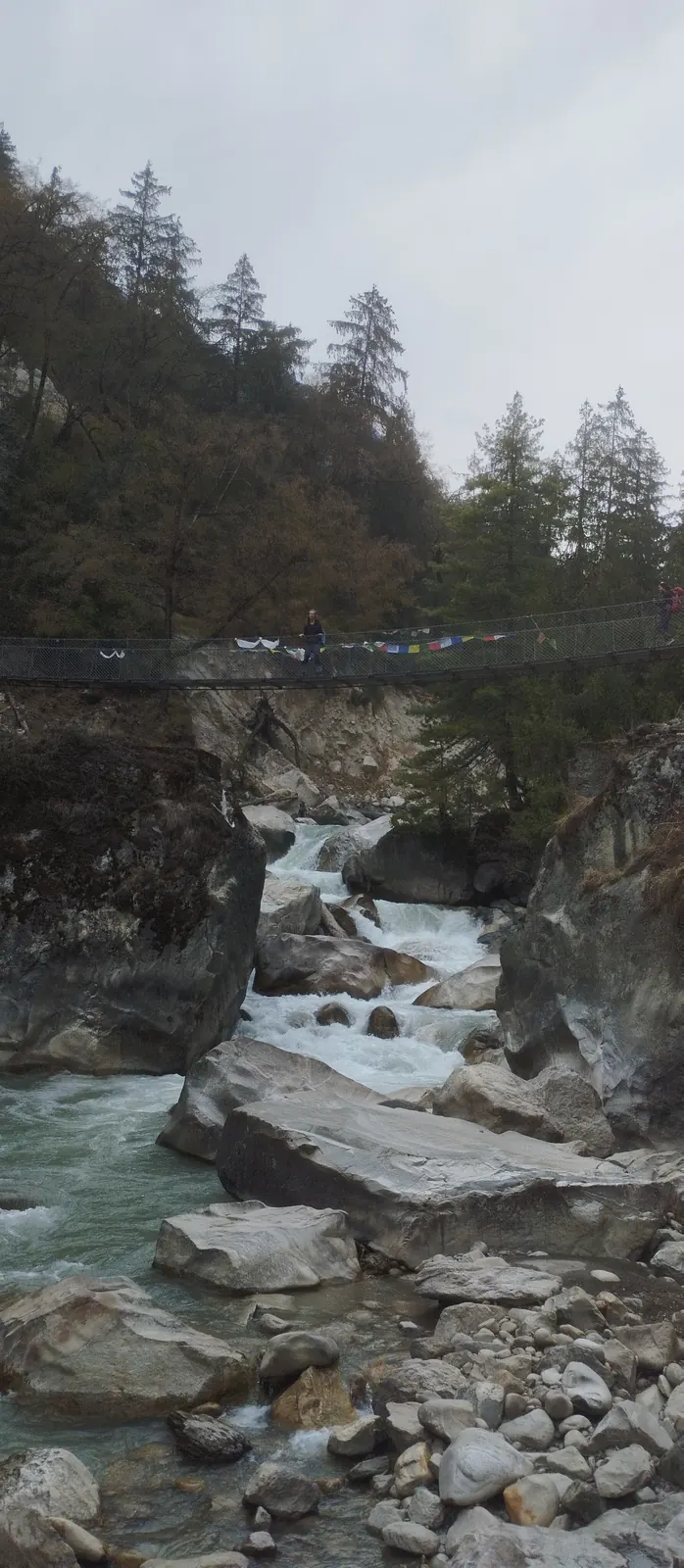
Photo: Remote Nepal Treks, 27 Mar 2023.
Days 6–12. No permit stops. This is Lho, Samagaon, the rest day, Samdo, Dharamsala and the Larkya La.
Day 13, Dharapani. The jeep from Tilije runs down through Dharapani, where the ACAP checkpoint wraps up your paperwork, and on to Besisahar for a hot shower. We cover that drive in after Manaslu: Tilije to Besisahar.
Every day of the route, with altitudes and walking hours, is on the Manaslu Circuit itinerary.
Why we don't print the fees
You'll find permit fees quoted all over the internet, and plenty of them are out of date. The Nepal government sets the RAP, MCAP and ACAP fees and changes them from time to time. The RAP is also priced by season. A number we printed today could be wrong by the time you book.
So we don't make you add them up. All three permit fees are included in our per-person rates:
| Group size | Per person, permits included |
|---|---|
| 1 | $2,100 |
| 2 | $1,950 |
| 3–4 | $1,850 |
| 5–6 | $1,750 |
| 7–8 | $1,650 |
Because the fees can move, we confirm your final figure in your quote. The full list of what the price covers is in our Manaslu cost breakdown.
Adding the Tsum Valley
Tsum is its own restricted area, with its own RAP. If you add it on our 21-day combined trek, you carry two Restricted Area Permits, one for Manaslu and one for Tsum Valley, plus the MCAP and the ACAP.
The Tsum RAP needs at least two trekkers, so the combined trek does too. If you're travelling alone, the 15-day circuit is the one we can run for you. The combined Manaslu and Tsum trek post goes through the rest.
What the permits buy you
The permit rules are the main reason the Manaslu Circuit is so much quieter than the big-name treks.
On Everest Base Camp or the Annapurna Circuit, anyone can turn up and walk. On Manaslu, every trekker has booked through an agency, walks with a licensed guide and holds a permit issued for the season. So the circuit sees a fraction of their foot traffic, and above Namrung you walk through Tibetan villages with prayer wheels and mani walls.
For the rest of the planning, start with our Manaslu Circuit Trek guide.
Frequently asked
What permits do I need for the Manaslu Circuit?
Three: the Restricted Area Permit (RAP) for Manaslu, the Manaslu Conservation Area Permit (MCAP), and the Annapurna Conservation Area Permit (ACAP), because the route exits through Dharapani inside the Annapurna Conservation Area.
Can I get a Manaslu permit myself?
No. Only a licensed agency can apply for the Manaslu RAP, and a licensed guide has to walk the whole route with you. We file all three permits before you land.
Where are Manaslu permits checked?
The RAP and MCAP at Jagat on Day 3, the MCAP again at Namrung on Day 5, and the ACAP at Dharapani on the Day 13 drive out. Your guide carries the file and handles each stop.
Are permit fees included in the price?
Yes. The RAP, MCAP and ACAP fees are in our per-person rates of $1,650 to $2,100, depending on group size. The government can change the fees, so we confirm your final figure in your quote.
Can I get a Manaslu permit as a solo trekker?
Yes. We can file a Manaslu RAP for a group of one, as long as your licensed guide walks the whole route with you. Adding the Tsum Valley changes that, since the Tsum RAP needs at least two trekkers.