
Tsum Valley altitude: how high the trek goes, and how it climbs
Written by our trekking team
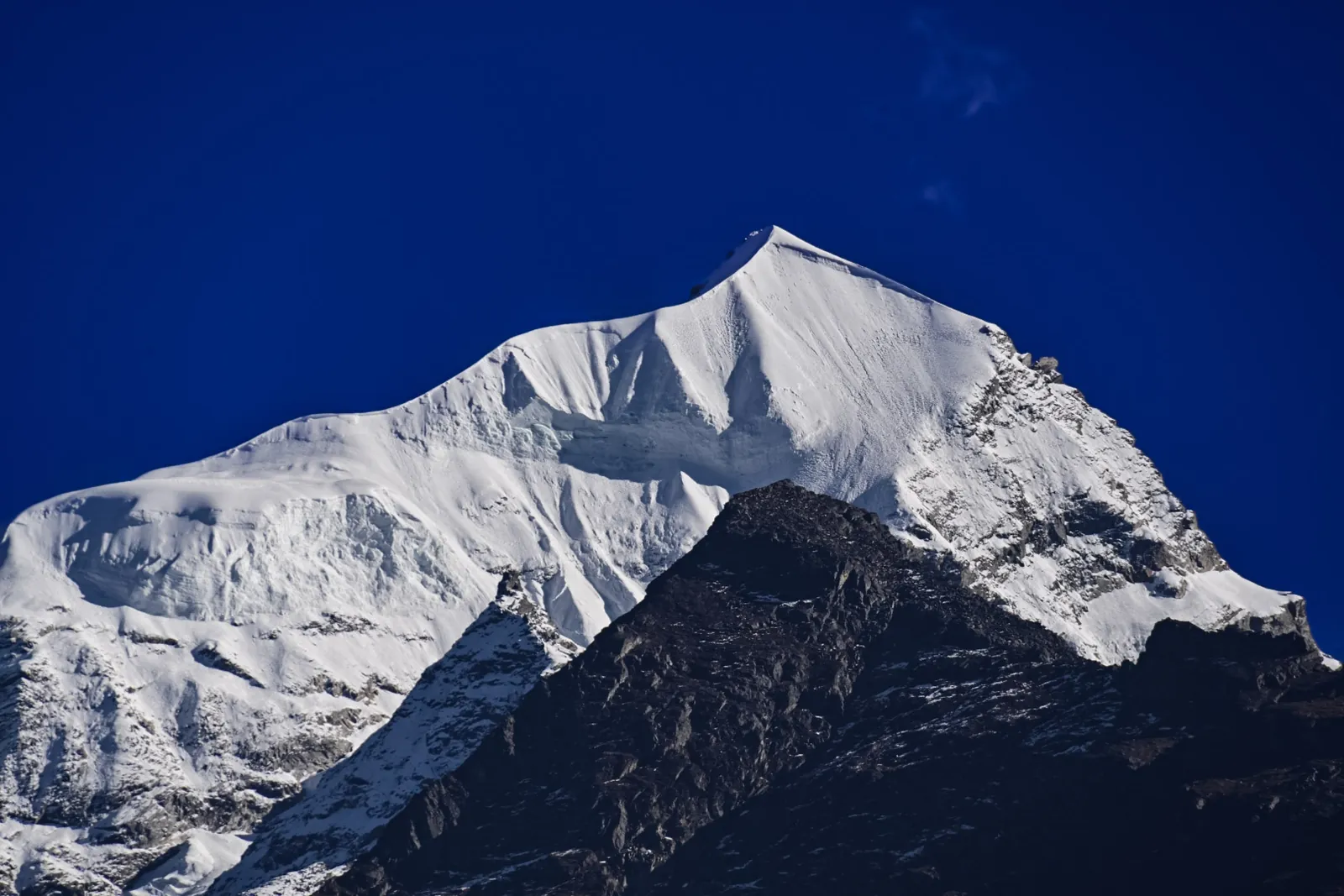
Photo: Remote Nepal Treks.
The short version
The Tsum Valley Trek's high point is Mu Gompa at about 3,700m, and the highest night is Nile at 3,361m. There's no high pass. You climb gradually, from Machha Khola (869m) to Lokpa (2,240m), Chumling (2,386m), Chhokangparo (3,010m) and Nile, then walk up to Mu Gompa and come back down to sleep at Chhokangparo. That gentle profile is why we grade Tsum Moderate. Altitude still matters above 3,000m, and your guide carries a pulse oximeter and checks on you each day.
The altitude profile
| Day | Night at | Altitude | Change |
|---|---|---|---|
| 2 | Machha Khola | 869m | ▼ 531m from Kathmandu |
| 3 | Jagat | 1,340m | ▲ 471m |
| 4 | Lokpa | 2,240m | ▲ 900m |
| 5 | Chumling | 2,386m | ▲ 146m |
| 6 | Chhokangparo | 3,010m | ▲ 624m |
| 7 | Nile | 3,361m | ▲ 351m |
| 8 | Chhokangparo (via Mu Gompa, ~3,700m) | 3,010m | Up ~340m, down to sleep |
| 9 | Chumling | 2,386m | ▼ 624m |
| 10 | Lokpa | 2,240m | ▼ 146m |
| 11 | Jagat | 1,340m | ▼ 900m |
| 12 | Machha Khola | 869m | ▼ 471m |
The highest you stand is Mu Gompa, at about 3,700m. The highest you sleep is Nile, 3,361m. Only three nights are above 3,000m: Chhokangparo twice and Nile once.
How that compares with our other treks
| Trek | High point | Highest night | Grade |
|---|---|---|---|
| Tsum Valley | Mu Gompa, ~3,700m | Nile, 3,361m | Moderate |
| Manaslu Circuit | Larkya La, 5,106m | Dharamsala, 4,460m | Challenging |
| Makalu Base Camp | Base camp, 4,870m | Base camp, 4,870m | Strenuous |
| Kanchanjunga | Pangpema, 5,140m | Lhonak, 4,780m | Very Challenging |
Tsum is the gentlest altitude profile we run by a long way. It's the trek to choose if you want restricted-area quiet without a high pass.
How the climb is paced
The one big jump is Day 4, Jagat to Lokpa, where you gain 900m. It's a 6 to 7 hour day through forest, and you still finish below 2,500m.
After that the steps are small. Day 5 to Chumling is only 146m. Days 6 and 7 add 624m and 351m. You're never asked to sleep more than a few hundred meters higher than the night before once you're above 2,500m.
Climb high, sleep low at Mu Gompa
Day 8 is the high day. You walk up from Nile to Mu Gompa, spend some time there, and come back down the valley to sleep at Chhokangparo (3,010m). You touch about 3,700m and sleep 690m lower. It's the same idea behind the rest days on our harder treks, which we explain in how acclimatization is built into our itineraries.
The Mu Gompa day is long, 8 to 9 hours, so tiredness is more likely than altitude to be what you notice. Our Mu Gompa post covers the day.
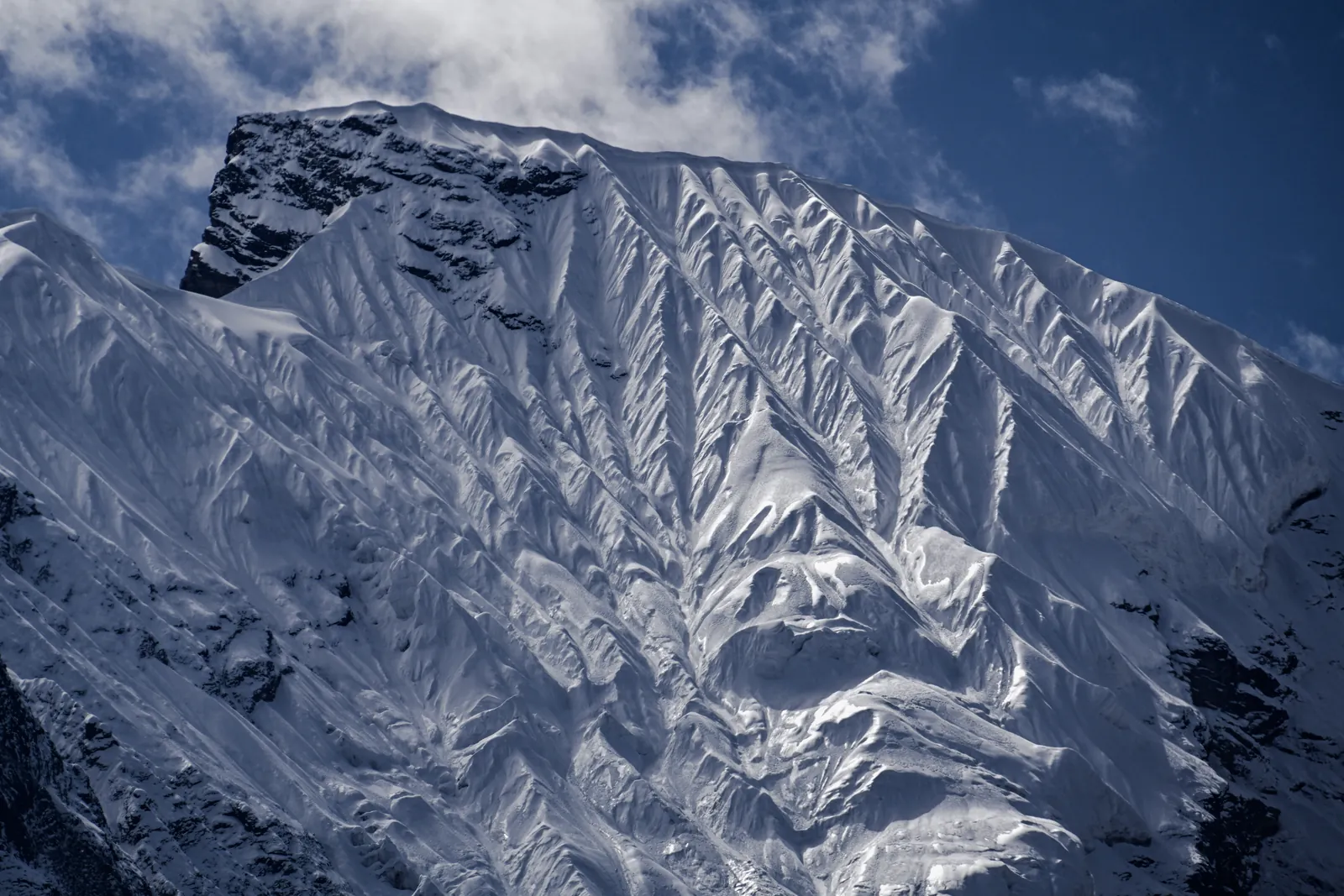
Photo: Remote Nepal Treks.
Altitude still matters above 3,000m
A gentle profile doesn't mean altitude is irrelevant. Above 3,000m some people get mild symptoms: a headache, poor sleep, less appetite. Those usually settle with rest, water and not going higher. The answer for anything more is the simplest one available on this route: walk down, because lower ground is never far away in Tsum. This is general guidance, not medical advice.
What your guide does. Your guide carries a first aid kit, a pulse oximeter and a standing evacuation plan, and checks how you're doing each day as you climb. Our post on altitude sickness on Manaslu describes the signs and checks in more detail. The same approach applies here.
What you do. Walk slowly, drink plenty, tell your guide how you feel, and talk to your doctor before the trip if you're thinking of carrying Diamox. It's on our packing list for that reason.
Insurance. Travel insurance with high-altitude evacuation cover isn't included, so you'll need to arrange it.
Who the altitude suits
Tsum is a good choice if you've done some multi-day trekking and want a restricted-area trek with an easier altitude profile than Manaslu, Kanchanjunga or Makalu. We still wouldn't recommend it as your very first trek, because the days are long and the trails steep in places.
It's also a fine stepping stone. After a week topping out at 3,700m, you'll know a lot more about how you handle altitude before trying something like the Larkya La. Or do both in one trip: on our combined trek, Tsum is the acclimatization for the pass.
The full itinerary is on the Tsum Valley trek page.
Frequently asked
How high does the Tsum Valley Trek go?
The high point is Mu Gompa, at about 3,700m. The highest night is at Nile, 3,361m. There's no high pass on the route.
Is altitude sickness a risk on the Tsum Valley Trek?
It's lower than on our other treks, but above 3,000m some people still get mild symptoms. The climb is gradual, the Mu Gompa day returns you lower to sleep, and your guide checks on you each day with a pulse oximeter.
Does the Tsum Valley Trek have acclimatization days?
It doesn't need a dedicated rest day, because the gains above 2,500m are small. The Mu Gompa day works as climb high, sleep low: you walk up to about 3,700m and sleep at Chhokangparo (3,010m).
How many nights are above 3,000m on the Tsum Valley Trek?
Three: Chhokangparo on Day 6, Nile on Day 7, and Chhokangparo again on Day 8.
Is Tsum a good trek before the Manaslu Circuit?
Yes. It's a gentler way to learn how you handle altitude, and our 21-day combined trek uses Tsum as acclimatization before the Larkya La.