
Crossing the Shipton La: Makalu's three-pass day
Written by our trekking team
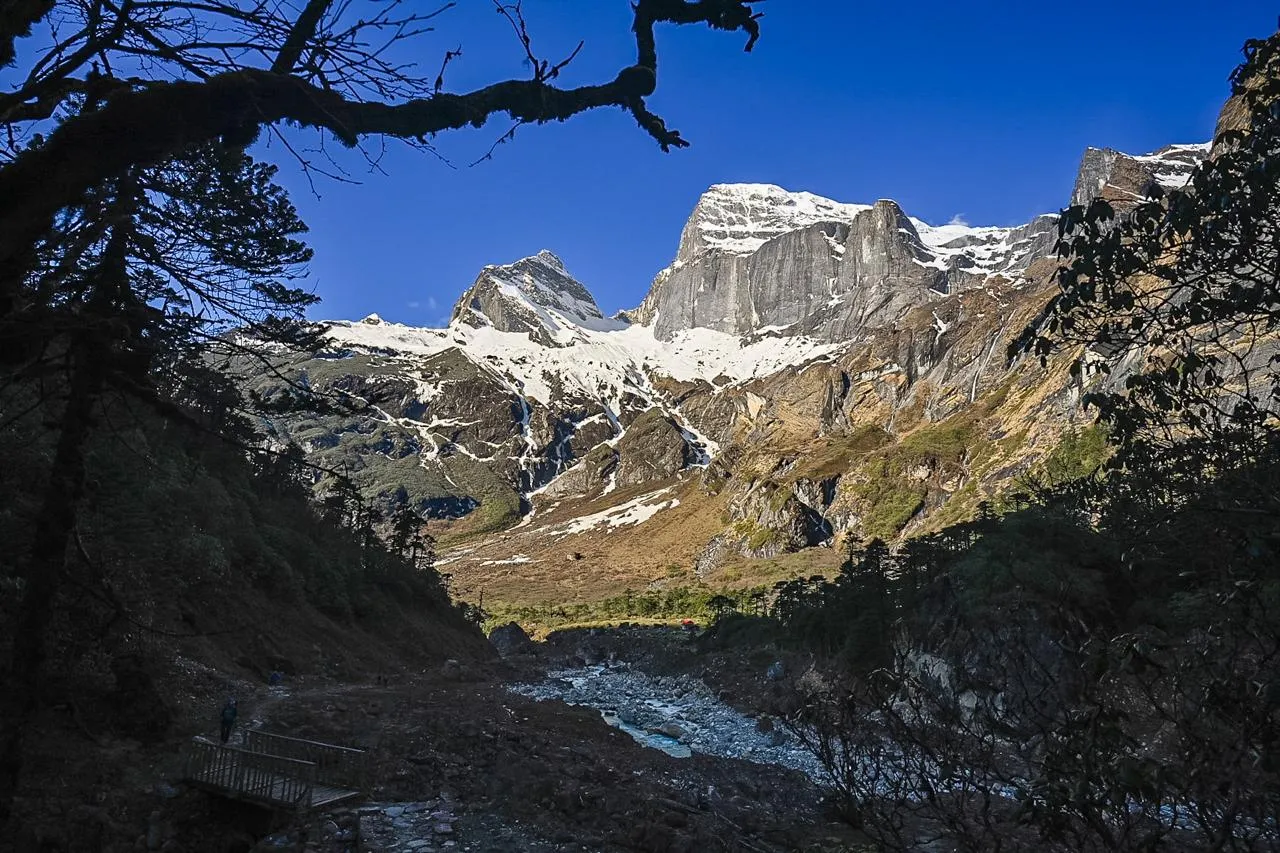
Photo: Remote Nepal Treks, Apr 2026.
The short version
The Shipton La complex is three linked high points, the Shipton La, Keke La and Tutu La, crossed in one long day around 4,170m. On our Makalu itinerary it's Day 8, Khongma Danda to Dobato, about 10km and 8 to 9 hours, and you cross it again on Day 16 coming out. Nothing is technical. The difficulty is rocky, exposed ground and route-finding if cloud comes in, so we cross only with a clear forecast, after a full rest day at Khongma Danda.
Three passes, one day
The Shipton La complex sits between Khongma Danda and the upper Barun valley. It's three high points strung along one ridge system: the Shipton La, the Keke La and the Tutu La. You don't cross them on separate days. You go over all three in one push and come down the far side to camp at Dobato.
The highest ground is around 4,170m. That's lower than the Larkya La on Manaslu, but the altitude isn't what makes it hard. The ground is rocky, it's exposed, and it sees far fewer boots than the big passes on the popular routes, so the line isn't always obvious.
| Day 8, going in | Day 16, coming out | |
|---|---|---|
| From | Khongma Danda (3,560m) | Yangle Kharka (3,557m) |
| To | Dobato (3,700m) | Tashi Gaon (2,100m) |
| Distance | ~10km | ~16km |
| Walking time | 8–9 hrs | ~8 hrs |
| Net change | ▲ 610m over the three passes | ▼ 1,460m net |
| Night | Camp | Teahouse |
The days before the crossing
The crossing is really the end of a three-day block. On Day 6 you climb 1,460m from Tashi Gaon to Khongma Danda in about 6km. It's one of the steepest single days on any route we run, through rhododendron forest, and you camp just below the pass complex.
Day 7 is a rest day there. It isn't optional. After a climb like that your body needs a night to catch up, and an easy walk toward the ridge above camp gets you a little higher before you sleep at the same altitude again. It's also the day your guide watches the weather.
By the evening of Day 7 you know how you're doing, and so does your guide.
How Day 8 goes
You start early. The crew breaks camp behind you, so all you carry is a daypack with water, snacks, a warm layer and a shell.
The trail climbs out of Khongma Danda onto the first of the passes, then runs along and over the ridge to the second and third. Expect rock underfoot most of the way: broken trail, boulder sections, and stretches where your poles do as much work as your legs. Boots with real ankle support earn their place here. It's on our Makalu packing list for exactly this day.
Pace. Your guide sets it, slower than you'd choose on a fresh morning, because eight to nine hours is a long day at this height and you want energy left for the descent.
Route-finding. In clear weather the line is readable. In cloud, cairns and old tracks disappear quickly, which is why we're strict about the forecast.
The far side. The trail drops to Dobato at 3,700m, where the camp is already going up by the time you arrive. A hot drink and a tent you didn't have to pitch feel very good after this one.
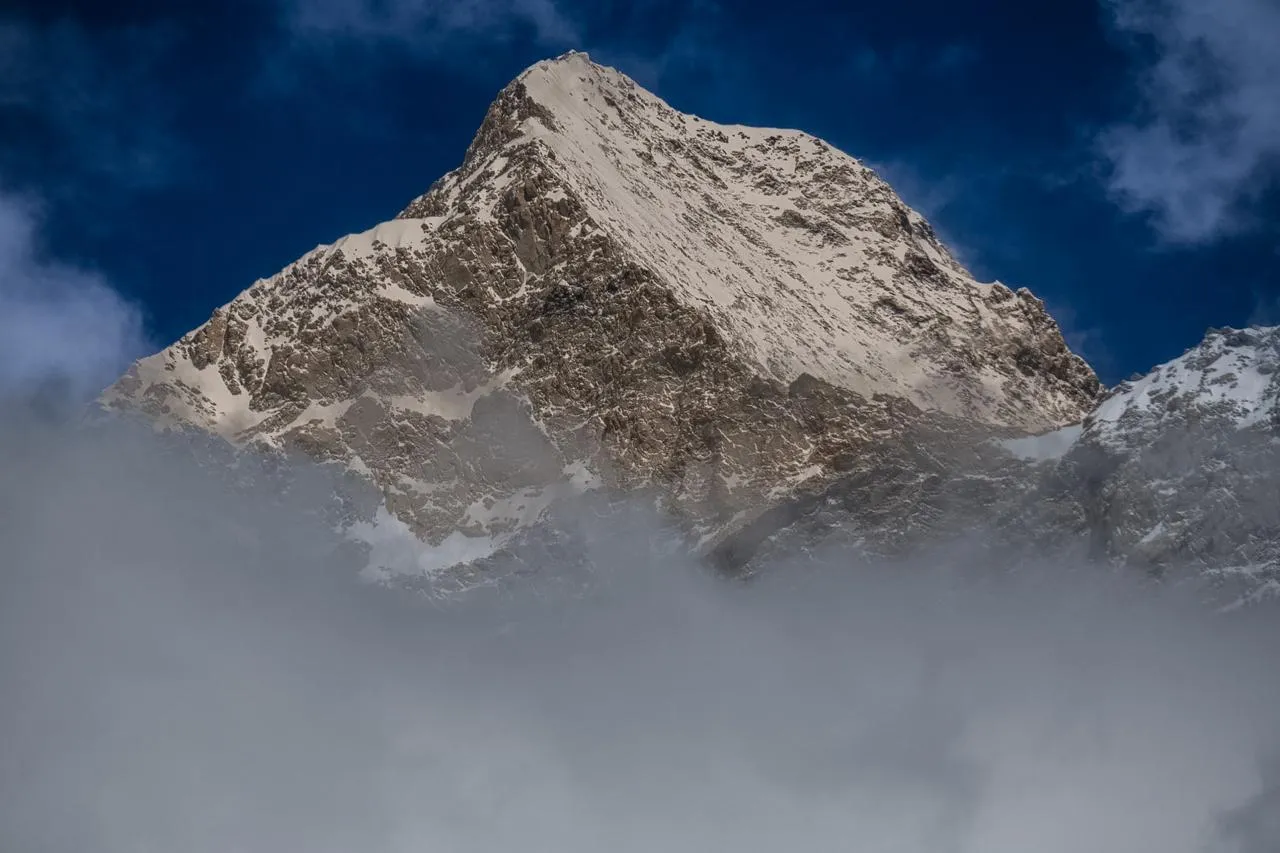
Photo: Remote Nepal Treks, Apr 2026.
Why the forecast decides
We attempt the Shipton La complex only with a clear forecast. The terrain is exposed, and finding the route gets hard if visibility drops, so pushing on into cloud isn't a risk worth taking. If the morning looks wrong, we wait.
That can sound like a worry. In practice it's what makes the day safe, and it's one more reason the itinerary has a rest day built in right before it. Autumn (September to November) gives the most stable weather for the crossing. Spring (March to May) is also reliable higher up.
Crossing back on Day 16
After base camp you come down the Barun valley to Yangle Kharka in one long day, and on Day 16 you re-cross the Tutu La, Keke La and Shipton La in reverse. It's still a full day, about 16km and 8 hours, but you're far better acclimatized than on the way in and the day ends lower, back at a teahouse in Tashi Gaon.
Most people find the second crossing easier. You know the ground now, and every step after the last pass is downhill toward a bed and a lodge kitchen.
How it compares with the Larkya La
We'd put the Shipton La complex on the same level of seriousness as the Larkya La crossing on Manaslu, with a different kind of difficulty. The Larkya La is higher at 5,106m and is a long, cold climb on a well-used trail. The Shipton La is lower, rockier and much less travelled, and you do it twice. If you've crossed the Larkya La, you'll know what a full-commitment day feels like, and that's good preparation.
For the full route and how this day fits in, see our Makalu Base Camp Trek guide or the day-by-day Makalu itinerary.
Frequently asked
How high is the Shipton La?
The Shipton La complex, three linked passes called the Shipton La, Keke La and Tutu La, crosses ground around 4,170m. You camp at Khongma Danda (3,560m) the night before and at Dobato (3,700m) after.
Is the Shipton La technical?
No. There's no rope work and no crampons on the standard route. The ground is rocky and exposed, though, and route-finding gets hard in poor visibility.
How long is the Shipton La day?
On Day 8, Khongma Danda to Dobato, it's about 10km and 8 to 9 hours. The return crossing on Day 16, Yangle Kharka to Tashi Gaon, is about 16km and 8 hours.
What happens if the weather is bad?
We cross only with a clear forecast. If the morning looks wrong, we wait at camp rather than push into cloud on exposed ground.
Do you cross the Shipton La twice?
Yes. Once on the way in (Day 8) and again in reverse on the way out (Day 16), since there's no other route between Tashi Gaon and the Barun valley on this trek.